
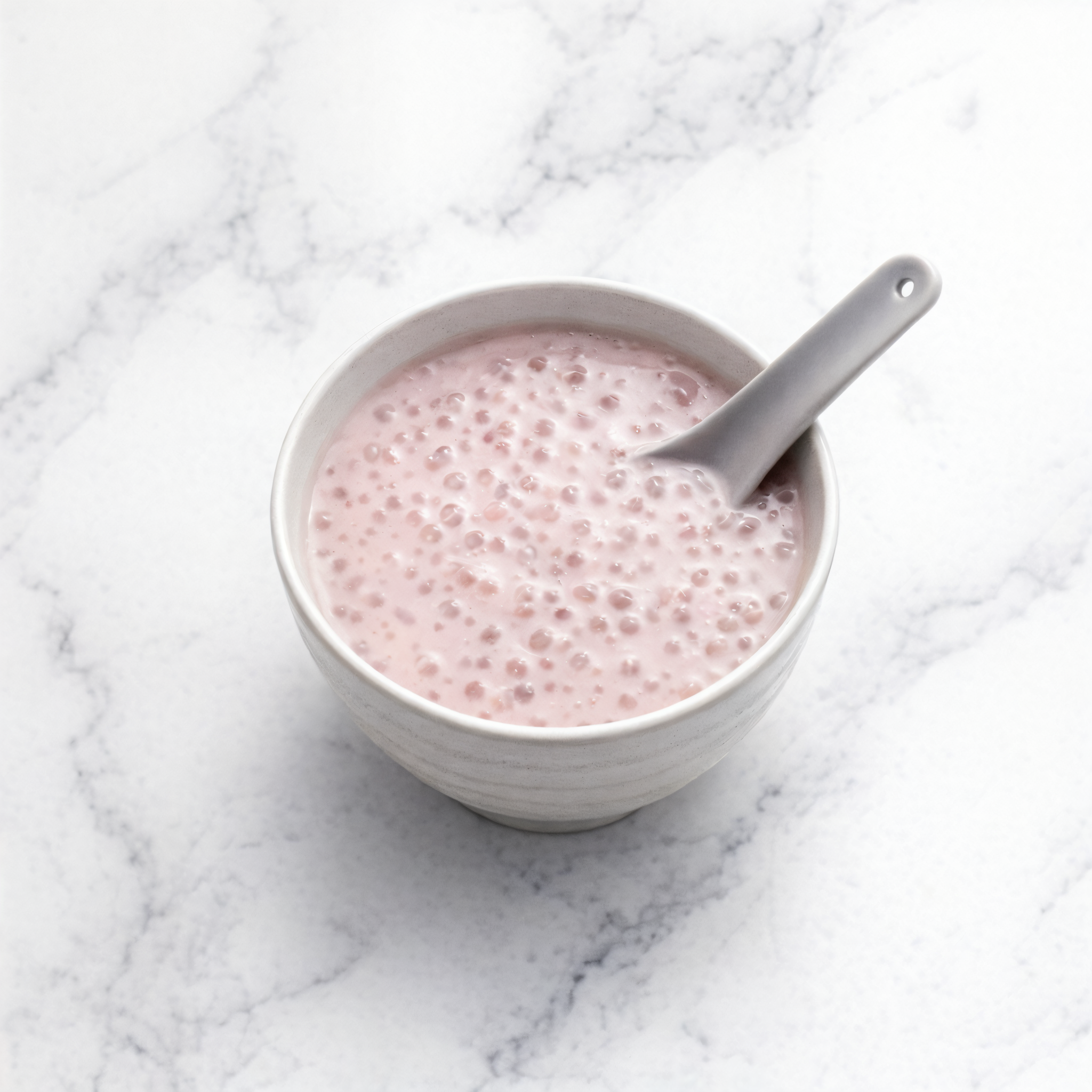
Taro and Coconut Tapioca Pearl Pudding 芋 頭 椰 奶 西 米 露
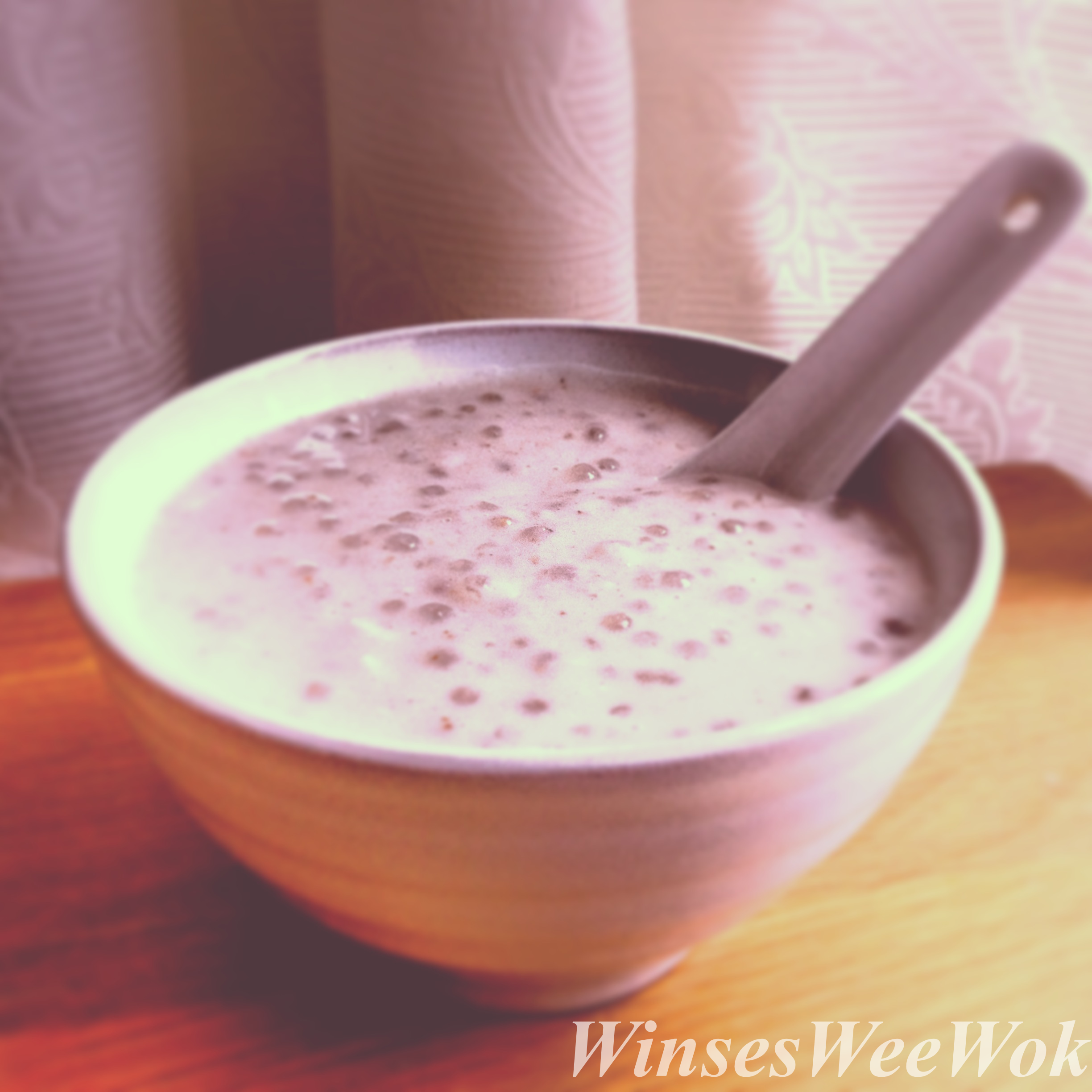
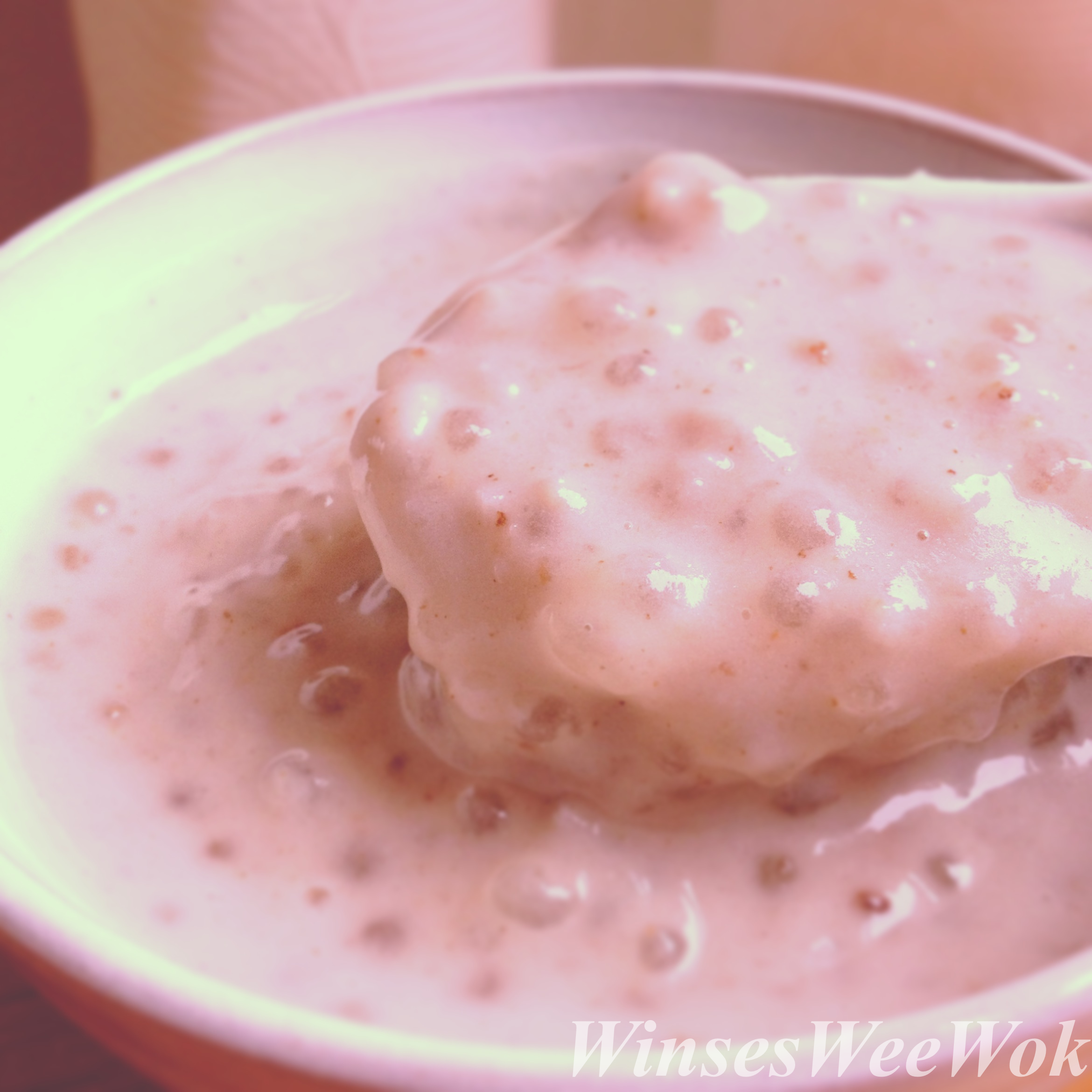
This pudding is a traditional dessert that is hugely popular in Asia. Made by boiling tiny tapioca pearl also known as sago and is combined with a sweetened milk mixture and taro. Tapioca pearl/ sago are tiny balls of white starch made from either sago palm or tapioca starch which are both gluten free. These contrast and break up the sweet milky flavour. It also adds to the pudding by giving it texture. It is delicious and is a favourite dessert for many Asian people including myself!
Make sure you stir the contents occasionally and especially when you are cooking with tapioca/sago as they will soon turn sticky. Don`t be afraid to work with this as the texture and colour will turn transparent and less sticky once they are rinsed under cold water.

✨ What it tastes like
Soft, fluffy taro + bouncy little sago pearls swimming in lightly sweet coconut milk. Comfort in a bowl. Warm or chilled—both are dreamy.
🛒 Ingredients (simple + flexible)
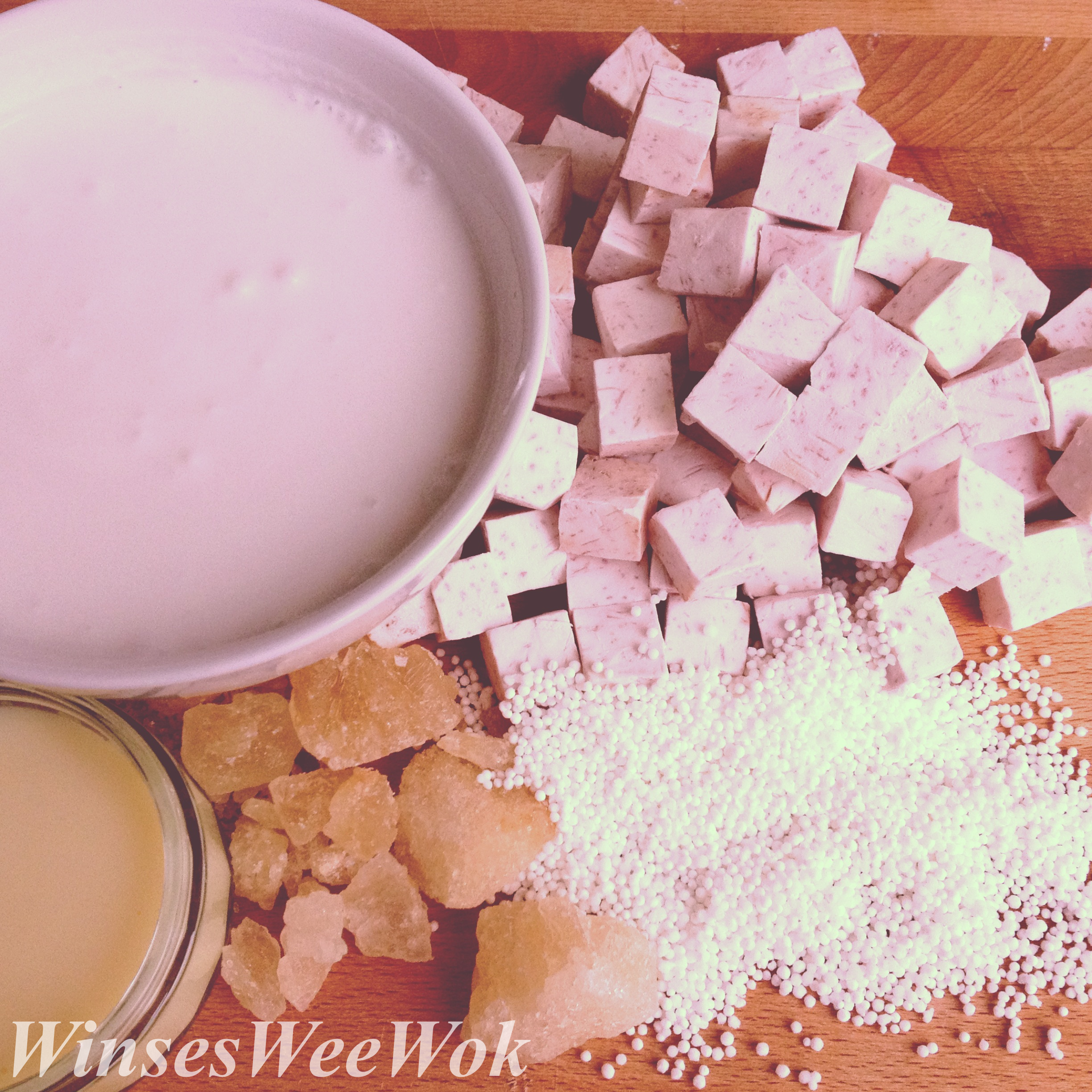
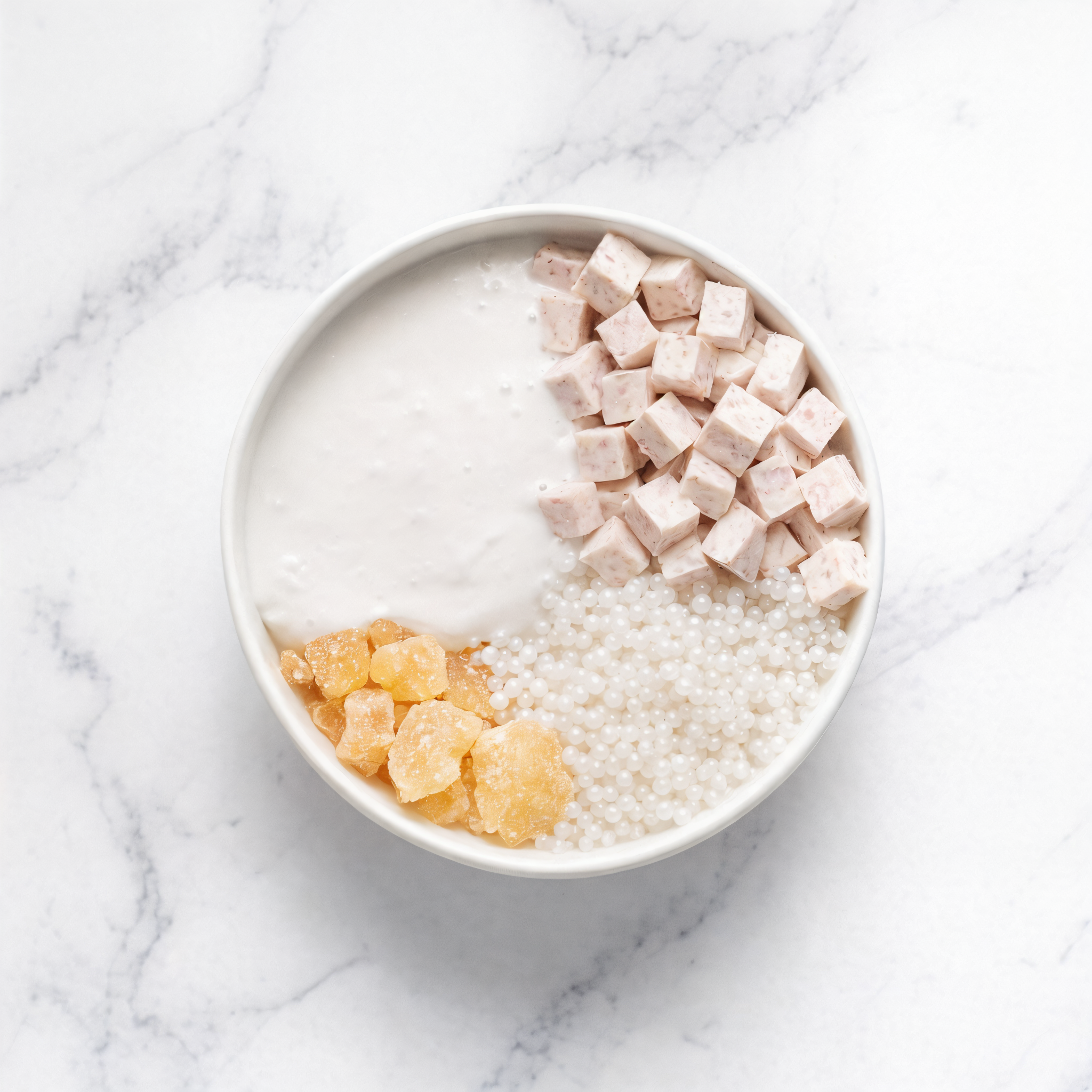
- 1 medium taro root (about 300–400g)
- 3–4 tbsp small sago pearls
- 400 ml coconut milk (1 can)
- 2–3 tbsp rock sugar (or regular sugar, to taste)
- Water (for boiling)
👩🍳 How to Make It (nice and easy)
- Prep the taro
Peel the taro (use gloves if your skin is sensitive), cut into small cubes. - Cook the taro
Add taro to a pot, cover with water, and boil for about 10–15 minutes until soft but not falling apart. Drain and set aside. - Cook the sago
In another pot, boil water and add sago pearls.
Stir gently and cook until mostly translucent (about 8–10 minutes).
Turn off heat, cover, and let sit 5 minutes, then rinse with cold water. - Bring it all together
Add coconut milk to a clean pot with the rock sugar. Heat gently until the sugar melts (don’t boil hard).
Add cooked taro and sago. Stir softly. - Final simmer
Simmer on low for 5 minutes. Taste and adjust sweetness.
🍵 How to Serve
- Warm: extra comforting, perfect for cooler days
- Chilled: pop it in the fridge for 1–2 hours—super refreshing
- Optional add-ins: a splash of extra coconut milk on top, or a few cubes of sweet potato
💡 Friendly Tips
- Cut taro evenly so it cooks nicely
- Low heat keeps coconut milk silky (no splitting!)
- If it thickens too much, just add a little water or milk
©WinsesWeeWok2013
 WinsesWeeWok
They sometimes serve this as a free dessert at Chinese restaurants around here (Southern California). But I’ve never tried a taro one, the lavender color is lovely!
Pingback: Taro (Dasheen) | yum vee
Hello, this weekend is good in favor of me, for the reason that this point in time i
am reading this enormous educational article here at my home.
Hello! Oh no i just logged in today! Is it too late for another time?
I’ve tried to cook it couple times already. However, the one i had in Chinese restaurant was a little different, it had the almond taste on it too, and that is what i want. Please advice!!!! Thanks
Hi Fiona! Sorry this reply finds you so late. I think the ones you had in the Chinese restaurants might have been added with ground up almonds. This gives the almond taste. Usually the cook who makes this desserts uses a variation of different ingredients to suit his or her palette. Such as sweet potatoes, taro, almonds or something different. OR it might be completely different dessert called the sweet almond dessert where the desserts is all white?
Yes. The dessert looked white and had some taro with almond taste on it also.
Hello what can I use in place of rock sugar
Hi There! In place of rock sugar you can buy brown slab sugar and use the same amount weighted out. Hope this helps! 🙂
What is brown slab sugar? Here, they sell regular white sugar, light brown sugar, dark brown sugar and raw sugar. Would it be the same as regular brown sugar?